
What a mudslide taught me about customer experience marketing
What if customers had to sit in 7 hours of traffic to work with you?
That’s what’s happening in my area right now.
I live in a small mountain town in California where most businesses make about 70% of their annual revenue from tourists in the winter.
Southern Californians love a good snow day, but they aren’t known for their winter weather driving skills. So when our roads get slippery, travel can get… eventful.
Here’s the twist: We only have three roads in and out of town. And this year, one of them was wiped out by a mudslide.
That means tourists will likely get stuck in SERIOUS traffic — like, 7-8 hours instead of 2-3 — on Fridays and Sundays, our busiest travel days.
When that happens, they’ll post about it, arrive cranky, and tell friends how awful the drive was.
Not exactly the type of buzz local businesses are hoping for.
So today, our Chamber of Commerce hosted a meeting with local marketers and business owners to decide how to handle the impending chaos.
By the end, they'd turned this giant headache into one of the smartest community campaigns I’ve ever seen.
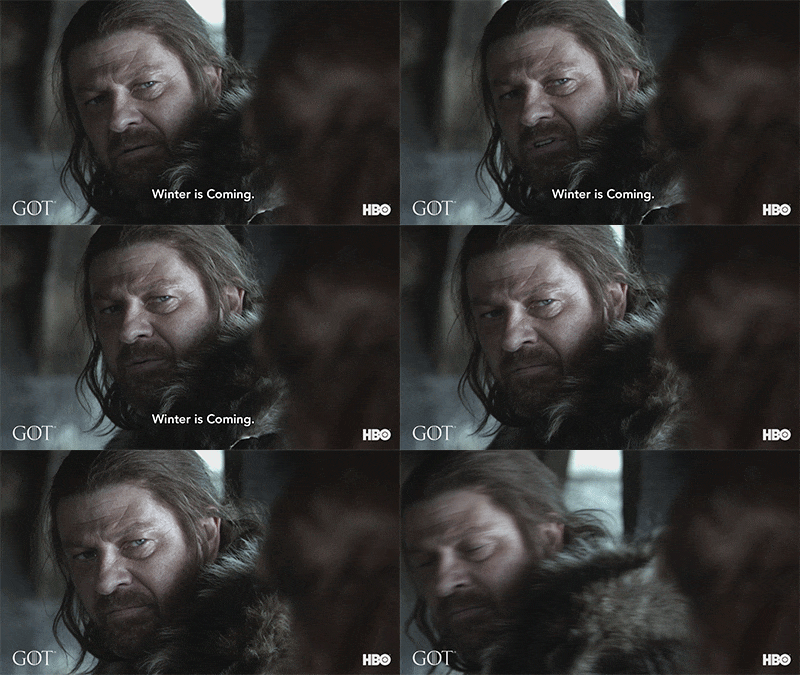
an oldie, but goodie
How my town is turning this travel nightmare into a marketing opportunity
The goal is simple: Get more people to travel midweek instead of on weekends.
Easy to say. Hard to pull off.
So here’s what they’re doing:
Putting the visitor experience first:
Setting honest expectations: Being upfront about the traffic and sharing tips to make the drive easier.
Making it fun: Offering discounts for arriving early or leaving late — and even giveaways for taking the longer scenic route.
Creating emotional messaging: Instead of focusing on gridlock, reframing it with lines like “Trade brake lights for starlight.”
Making it easy for local businesses to get on board:
Focusing on the long game: Short-term discounts may sting, but they’ll pay off through steadier traffic and happier visitors all season.
Providing tools: Businesses are getting shared messaging, marketing assets, and swipe copy so everyone’s communicating the same thing.
Building a united front: When more people visit the mountain — and enjoy it — the whole community wins.
What does this mean for your business?
You probably don’t run a board shop or après ski wine bar. But there’s still a lesson here:
You can’t always control the obstacles — but you can control how people experience them.
Here’s how that translates into your marketing and messaging:
Name the challenge. If your customers are frustrated, acknowledge it and help them navigate it. Transparency builds trust faster than spin.
Reframe it. Don’t hide what went wrong; find the story that turns the negative into something aspirational, empowering, or value-driven.
Give people ownership. Invite customers to be part of the solution, not just passive buyers, to give them more control, choice, and fulfillment.
Stay consistent. When every message from your brand feels aligned, people feel more confident saying “yes” to you.
The easy seasons might be the most profitable... But the difficult seasons are when you build real trust and create a brand reputation that lasts.
Curious about other ways to tap into your own community?
Check out these tips for local content marketing — they’ll help you find more customers in your own backyard.
(Pro tip: Your Google Business Profile is a great place to start.)
This article was originally shared in my embarrassing, brutally-honest newsletter: Sloppy Copy.
If you want to get totally-transparent copywriting lessons like this every week, pop in your email to join the party. 👇
