
What Dolly Parton can teach us about branding and content
Yesterday was Dolly Parton’s 80th birthday.
Which feels fake, because Dolly exists outside of time.
But while the rhinestones, wigs, and one-liners get most of the attention, Dolly is also one of the clearest, most intentional personal brands of all time. And she didn’t get there by accident.
Long before brand voice decks and content pillars were a thing, Dolly figured out something most businesses still struggle with:
Who she was.
Who she wasn’t.
And how she wanted people to feel every time they encountered her.
So let’s talk about what Dolly can teach us about branding, content, and marketing — without turning this into a stiff, over-optimized think piece that would make her roll her eyes.
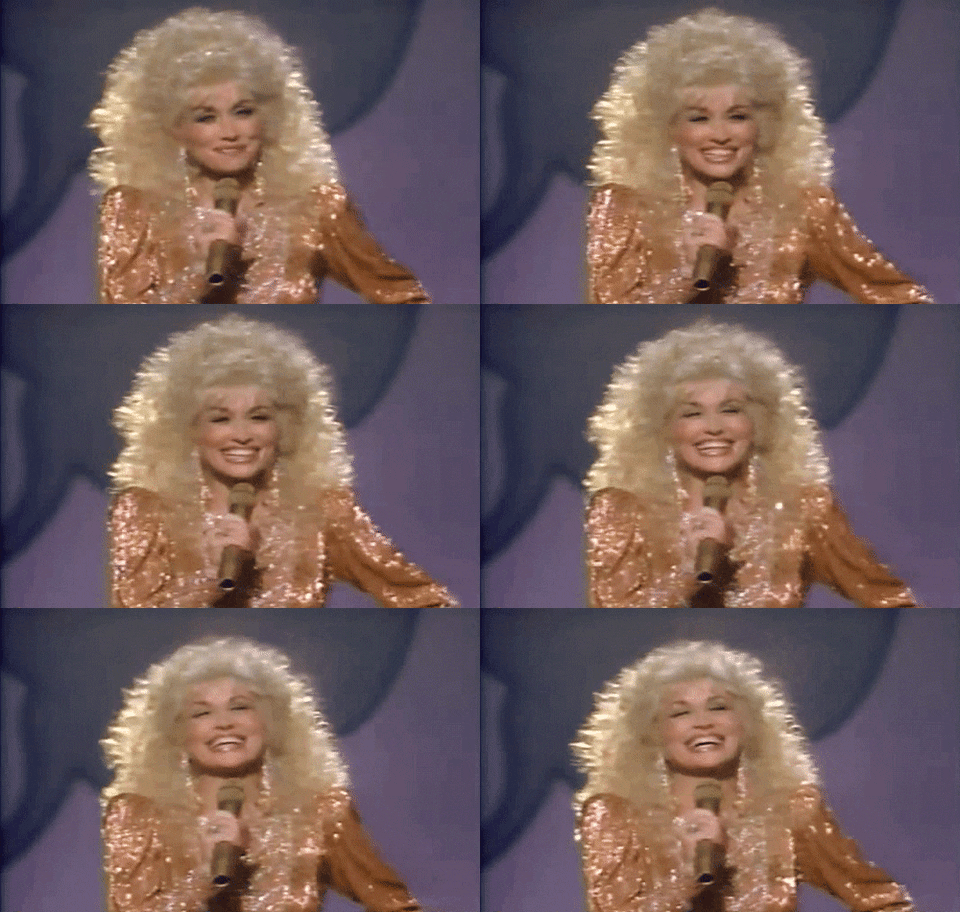
Great brands start with intention
“Find out who you are, and do it on purpose.”
— Dollyism (advice from her mother)
Dolly didn’t stumble into her brand. She designed it.
She grew up in a tiny town in rural Tennessee, one of twelve kids, dirt poor — and still decided early on that she wasn’t going to blend in. Her big hair, bold clothes, and unapologetic femininity came from strategy, not insecurity.
She once said she modeled her look after the “town trallop” because that woman looked confident, flashy, and unforgettable. Dolly saw how people reacted to that — and chose it on purpose.
That’s branding.
Not reacting, copying competitors, or “finding your voice” accidentally over time.
Brand clarity is a decision.
And when brands struggle with inconsistent messaging, confusing websites, or emails that feel all over the place, it’s usually because that decision was never made.
So before you touch another page of your website or write another email campaign, answer this clearly:
What do I want people to feel after interacting with my brand?
What do I want them to say about me when I’m not in the room?
That’s the foundation of brand voice. Everything else follows.
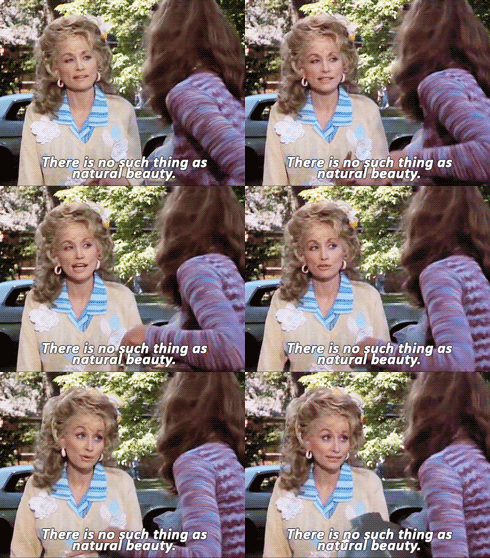
Strong brands adjust without abandoning themselves
“We cannot direct the wind, but we can adjust the sails.”
— Dollyism (advice from her mother)
Dolly has reinvented her work many times — country music, pop and rock crossovers, acting, theme parks, philanthropy — without ever reinventing herself.
She didn’t panic when trends shifted. She adapted while staying recognizable.
That’s exactly what brands need to do (especially right now).
Marketing changes constantly, and you can’t control:
Algorithm and platform changes
Economic whiplash
Audience behavior shifting overnight
The mistake brands make isn’t pivoting — it’s pivoting without a core.
When your brand voice and messaging aren’t clearly defined, every shift feels like starting from scratch. That’s how you end up with:
A website that doesn’t sound like your emails
Emails that don’t match your social presence
Messaging that changes every quarter
Instead of reinventing the entire wheel whenever the tide turns, your brand should have anchors like:
A defined voice (how you sound)
A clear promise (what people can expect)
A consistent point of view (what you believe)
Those anchors let you adjust tactics without confusing your audience.
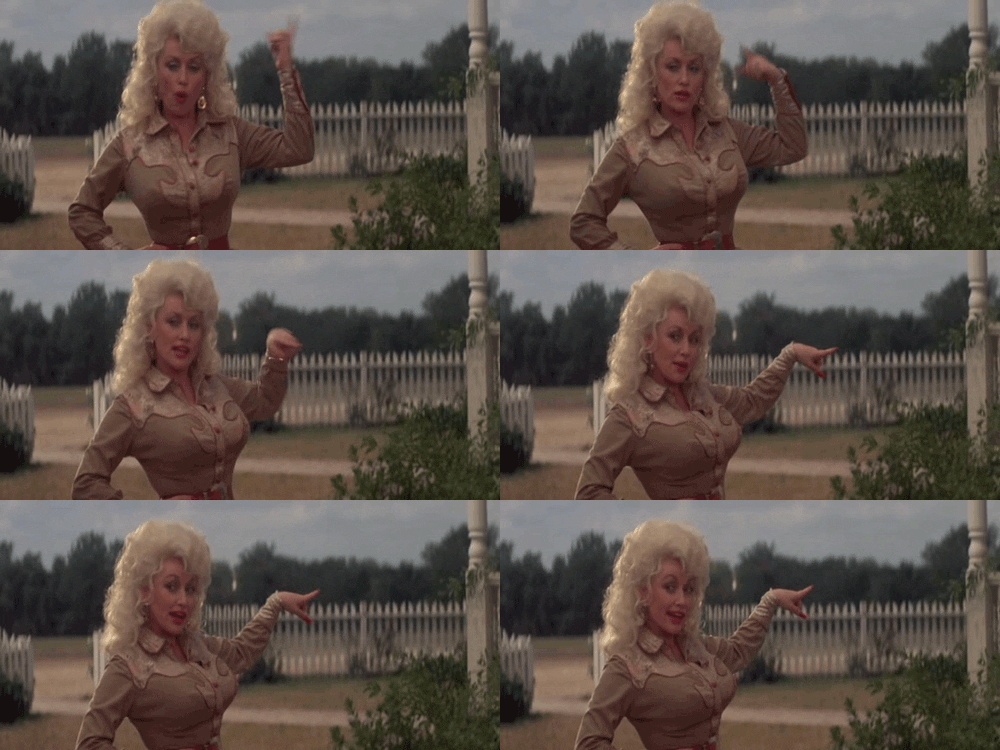
Persistence is a choice, not a personality trait
“I’ve never tried quitting, and I never quit trying.”
— Dollyism
Dolly didn’t become Dolly because every release was an instant hit.
She stayed in the game long enough for momentum to compound.
The same applies to content and messaging. Most brands don’t fail because their copy is bad — they fail because they:
Rewrite their website every six months
Abandon email marketing before it has time to build trust
Scrap messaging before they’ve tested it consistently
Testing and optimizing ARE important… but at the same time, you can’t measure what you keep changing.
Instead of constantly rewriting everything, pick one core message and:
Reinforce it across your homepage
Echo it in your emails
Support it with proof (stories, testimonials, results)
Consistency builds familiarity. Familiarity builds trust. Trust converts.

The messy parts of your story are the most memorable ones
"I'll be making records if I have to sell them out of the trunk of my car. I've done that in the past, and I'd do it again."
— Dolly Parton, about continuing her career as she ages
Dolly isn’t romanticizing struggle — she’s owning it.
Before the rhinestones, before Dollywood, before becoming a cultural icon, she did exactly what she says here: She hustled. She self-promoted. She sold records, however she could. Because her goal was momentum, not perfection.
And here’s the key part:
No one hears that story and thinks less of her. They actually trust her more because of it.
In the marketing world, everyone loves the glow-up. The “six figures in six months” arc.
But real people don’t live in highlight reels. And they don’t trust brands that pretend they do.
Dolly selling records out of her trunk isn’t a footnote in her story — it’s a credibility builder. And your “messy” chapters can do the same thing.
When you embrace your not-so-glamourous moments, you become a brand that people trust, relate with, and remember.
Start by:
Replacing one polished paragraph with a real moment, like a challenge, a doubt, or a turning point.
Telling a story about something that didn’t work before sharing what works now.
Letting yourself sound human. Not messy-for-the-sake-of-messy — but honest.
Your scrappy years, weird pivots, and “this almost didn’t work” moments make your brand real.
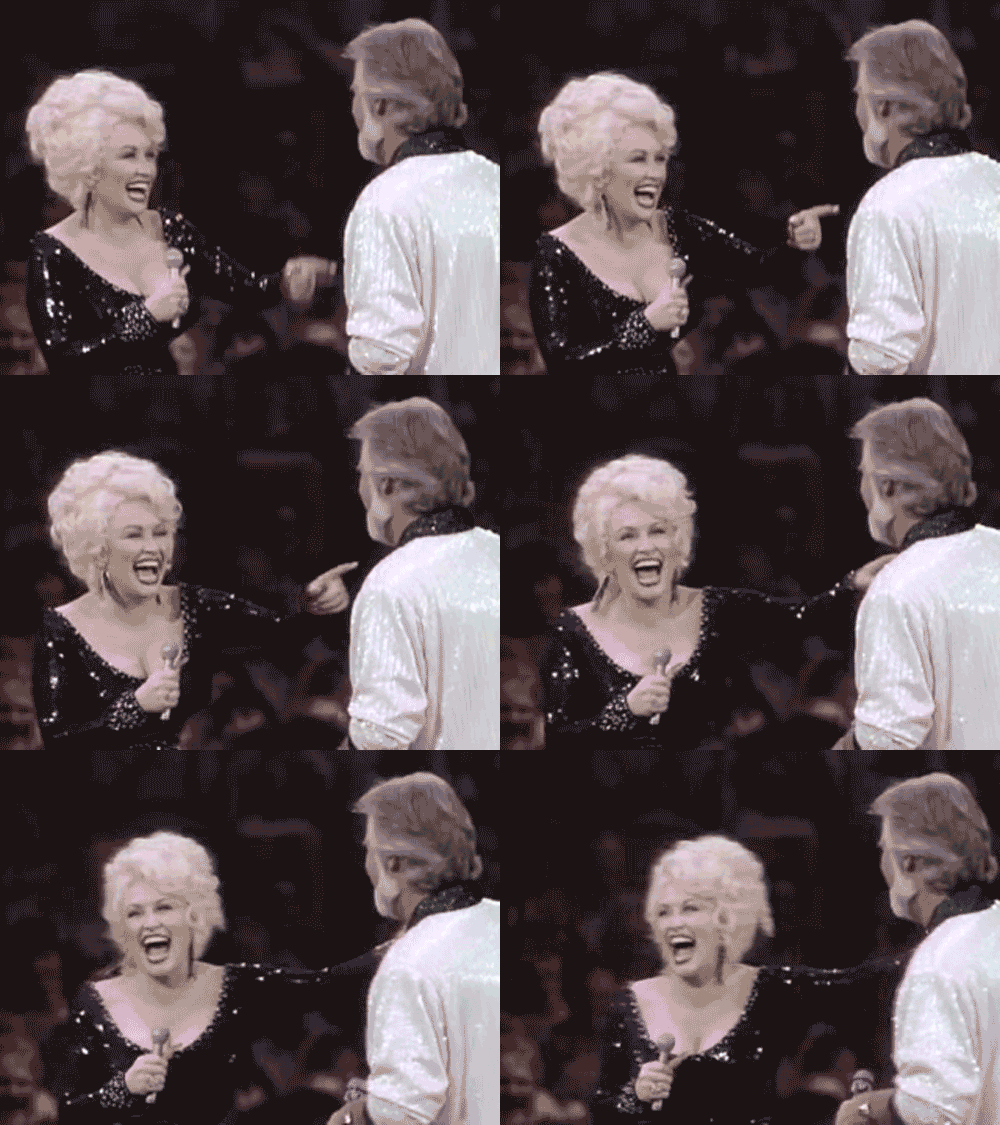
Walking away from the wrong thing is brand maturity
“If you don’t like the road you’re walking, start paving another one.”
— Dollyism
One of the boldest moves Dolly ever made was leaving The Porter Wagoner Show.
At the time, it was risky: That show gave her exposure, security, and stability — it was the “big break” that kicked off her career. But staying would’ve kept her boxed into someone else’s vision.
So she left — and wrote I Will Always Love You as a farewell.
That wasn’t a failure. That was clarity… and it led to one of her biggest songs of all time.
The fear of taking that leap is exactly where brands get stuck:
Clinging to offers or channels that no longer fit (I’m guilty)
Keeping messaging because “we’ve always said it this way”
Refusing to pivot because of sunk costs
If you want to avoid it, audit your messaging and ask:
Does this still reflect where the business is going?
Does this attract the right customers — or just familiar ones?
Letting go of outdated messaging makes room for alignment.
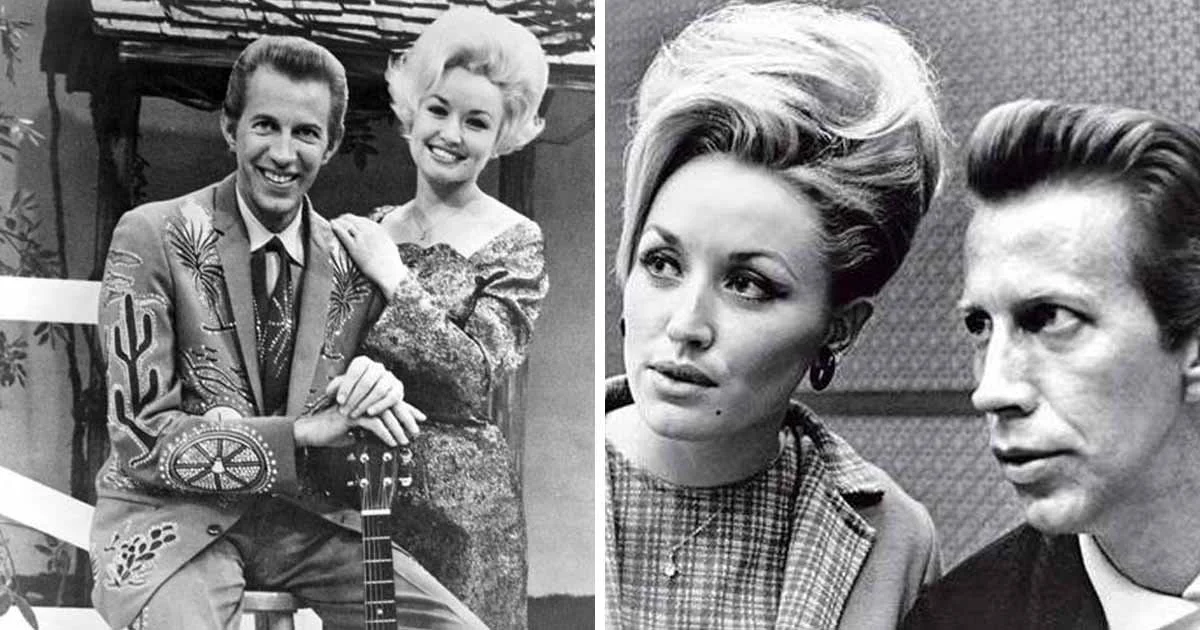
Dolly Parton and Porter Wagoner | Source: countrythangdaily.com
The brands we remember are the ones that took risks
“You’ll never do a whole lot unless you’re brave enough to try.”
— Dolly Parton, shared throughout her career
Dolly didn’t play it safe:
She went solo when she could’ve stayed comfortable
She crossed genres when people told her not to
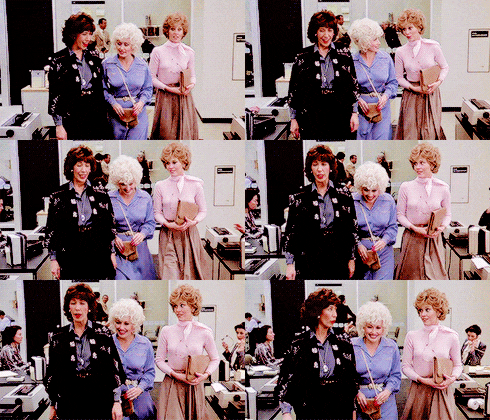
She starred in 9 to 5 largely because she wanted to write the theme song
(And she literally used her acrylic nails to create the rhythm for it.)
That song didn’t happen because she followed a formula. It happened because she trusted her instincts.
It’s the same reason why safe brands blend in, while bold brands get remembered — usually because they took a risk like:
Saying the thing others wouldn’t
Showing up more honestly
Being polarizing on purpose
Putting a real opinion behind the message
That’s why if your website sounds like everyone else in your industry, it’s not doing its job. If you want to be remembered, you need to be distinct:
A clearer opinion
A stronger stance
A more human voice
The wins that change everything almost always come from doing something that felt slightly terrifying at the time.
Grit beats talent when it comes to brand building
“I’ve always said I’ve had more guts than I’ve got talent.”
— Dollyism
Dolly worked relentlessly. She wrote daily and showed up even when no one was watching.
She now has an entire vault of songs just waiting to be released — on top of her insanely successful career — simply because she’s never stopped writing.
That’s how brands are built, too.
Sure, talent helps. But the most effective messaging comes from iteration, feedback, and refinement over time. Not from brilliance alone.
So if you want to be the type of brand you’re dreaming of:
Launch the version that’s clear.
Refine it based on real audience response.
Keep showing up — even when it’s awkward, uncomfortable, or doesn’t feel fun.
Momentum beats perfection every time.
A full life creates better content (and better brands)
“Don’t get so busy making a living that you forget to make a life.”
— Dollyism (originally from Dolly’s mother)
Dolly’s storytelling works because it’s rooted in lived experience — small towns, hardship, joy, faith, humor.
She didn’t manufacture relatability. She lived it.
Brands that feel flat usually come from people who never step away from the screen.
The best brand stories come from:
Conversations with customers
Real experiences outside your industry bubble
Paying attention to how people actually talk
The more life you live, the better you understand people. And the better you understand people, the better your content gets.
…And the better your life becomes.
The real branding lesson Dolly Parton leaves us with
Dolly didn’t build a powerful brand by chasing trends.
She did it by:
Deciding who she was
Showing up intentionally
Staying consistent
Adapting without losing herself
Embracing risk
Trusting grit over perfection
Having the guts to keep going
That’s a timeless brand strategy — with great hair.
If you want more totally-transparent copywriting lessons like this, you’ll like Sloppy Copy — my weekly newsletter where I share embarrassing, brutally-honest stories and tips.
Pop in your email to join the party. 👇
